

frosted toughened glass price
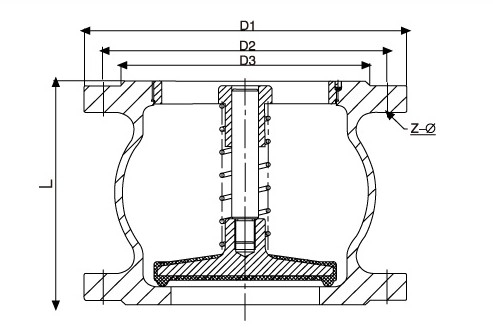
Control valves are essential in regulating pressure, flow, and direction within fluid systems. From pressure control valve types to specialized options like a control valve 1/2 inch , these components ensure precise operation in industrial, hydraulic, and mechanical systems. This guide explores control valve types and applications to help you choose the right one for your needs. Control Valve and Its Types A control valve regulates fluid flow, pressure, or temperature in a system by adjusting the valve opening. These are the common control valve types : Globe Control Valves : Ideal for throttling and flow control applications. Ball Control Valves : Known for their durability and quick shut-off capabilities. Butterfly Control Valves : Lightweight and suitable for large systems. Diaphragm Control Valves : Frequently used in corrosive or clean environments. For smaller pipelines, a control valve 1/2 inch or 1/4 flow control valve offers precise regulation, while larger systems benefit from sizes like the 3/4 flow control valve . Pressure and Flow Control Valve Types Pressure control valve types ensure consistent pressure levels in a system, preventing damage to equipment. These include: Relief Valves : Release excess pressure from the system. Reducing Valves : Maintain lower, stable pressure downstream. Similarly, flow control valve types regulate the volume of fluid passing through the system. Common options include: Needle Valves : Provide fine control over flow rates. Rotary Valves : Offer efficient flow adjustment for larger systems. A 1/2 flow control valve or 3/4 flow control valve is often used in hydraulic systems for precise operation, while a 1/4 flow control valve is suitable for smaller, specialized tasks. Control Valve in Hydraulic System Applications A control valve in hydraulic system manages fluid flow to power machinery and ensure efficient operation. Key applications include: Directional Control Valves : Direct fluid flow to different parts of the hydraulic system. Proportional Valves : Adjust flow or pressure proportionally to meet system demands. Servo Valves : Provide precise control for complex operations. Hydraulic systems often require compact and efficient valves like the 1/2 flow control valve to regulate flow in smaller circuits. Larger hydraulic systems might use a 3/4 flow control valve for greater capacity. From pressure control valve types to specific flow control valve types , understanding the various options ensures optimal performance for your system. Whether you're managing a control valve in hydraulic system or seeking a control valve 1/2 inch for precision tasks, selecting the right valve is critical for reliable and efficient operation.
about
frosted toughened glass price
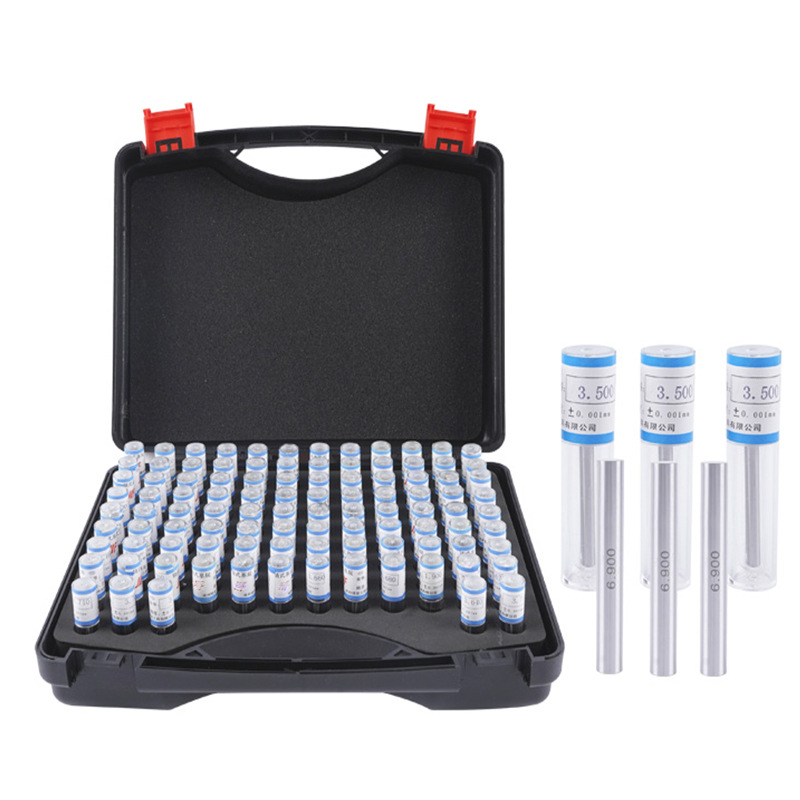
Understanding Dial Bore Gauges A Focus on 18mm to 35mm Applications In precision engineering, the significance of accurate measurements cannot be overstated. One of the essential instruments utilized for measuring the internal diameter of holes is the dial bore gauge. This tool, particularly effective for bore sizes ranging from 18mm to 35mm, plays a crucial role in various manufacturing processes, ensuring that components meet stringent quality standards. What is a Dial Bore Gauge? A dial bore gauge is a measuring instrument designed specifically for measuring internal diameters. It comprises a dial indicator, which reads measurements, a probe that fits inside the bore, and a calibration mechanism to ensure accuracy. The tool works on the principle of displacement; as the gauge slides into the bore, any changes in diameter result in the dial indicator registering a corresponding change. This allows the operator to determine if the bore meets specified tolerances. Design and Features Dial bore gauges come in various designs, but most share common features. For measurements within the range of 18mm to 35mm, the gauge typically has adjustable arms or pins that can be set to the required diameter. The dial indicator is usually mounted perpendicular to the probe, making it easy to read measurements at a glance. Many models come equipped with a locking mechanism that holds the gauge in place once the measurement is taken, preventing any accidental re-adjustments. The precision of a dial bore gauge can be influenced by its construction quality and the range of its measuring capabilities. Models designed for 18mm to 35mm applications typically feature high-quality stainless steel components that resist wear and corrosion, ensuring longevity and accuracy over time. Applications of Dial Bore Gauges The versatility of dial bore gauges makes them invaluable across various industries. Here are a few notable applications 1. Automotive Engineering In automotive manufacturing, ensuring the correct diameter of engine cylinders is critical for optimal performance. Dial bore gauges facilitate precise measurements during the production and quality control phases. 2. Aerospace The aerospace industry demands exceptionally tight tolerances and high-quality standards. Dial bore gauges help inspect components like fuel injectors and turbine housings, ensuring they conform to specifications. dial bore gauge 18 35mm 3. Manufacturing & Machining In the world of machining, particularly in CNC operations, engineers frequently utilize dial bore gauges to check hole sizes and depths in fabricated parts, ensuring that they fit together correctly during assembly. 4. Quality Assurance Quality control inspectors employ dial bore gauges to verify that manufactured products meet the required specifications. Measuring the internal diameters of components regularly helps identify potential defects before they escalate into larger issues. How to Use a Dial Bore Gauge Using a dial bore gauge requires a systematic approach 1. Preparation Ensure that the gauge is clean and calibrated before use. Any dirt or debris can lead to inaccurate readings. 2. Insertion Carefully insert the gauge into the bore, ensuring that it is aligned correctly. 3. Adjustment Adjust the measuring arms or pins until you get a snug fit within the bore. 4. Measurement Read the measurement from the dial indicator. Rotate the gauge to take measurements at various points to identify any variations in diameter. 5. Documentation Record the measurements for future reference and quality control purposes. Conclusion Dial bore gauges are essential tools in precision measurement, particularly for bore sizes ranging from 18mm to 35mm. Their ability to provide accurate and reliable measurements makes them indispensable in industries where precision is paramount. Understanding how to properly utilize and maintain this crucial instrument can greatly enhance quality assurance processes in any manufacturing setting. As technology continues to advance, incorporating sophisticated gauges into production lines is likely to streamline operations even further, reducing human error and improving overall efficiency. Thus, the dial bore gauge remains a trusted companion for engineers and quality inspectors alike, ensuring that every component meets the exacting standards of modern manufacturing.
-

High quality industrial productsagement

High quality industrial products
View Details -

Meet the diverse needs of customers

Meet the diverse needs of customers
View Details -

Strict quality control

Strict quality control
View Details -

Top raw materials

Top raw materials
View Details -

Trusted supplier

Trusted supplier
View Details
Our application

news and information
Vee Blocks Available for Purchase – High Quality Options to Choose From
Vee Blocks for Sale An Essential Tool for Precision Machining When it comes to precision machining,
welding table supplier
Finding the Right Welding Table Supplier A Guide for Professionals Welding is an essential process i
y Siebdampfabscheider
Der Y-Strainer ist ein wichtiges Bauteil in der industriellen Prozessindustrie, insbesondere in Damp
 English